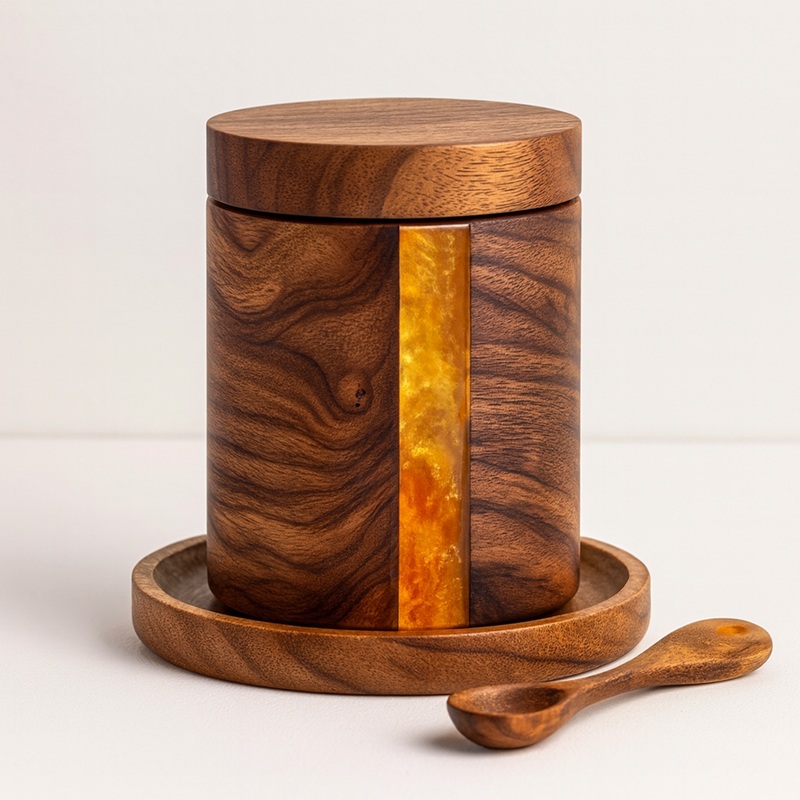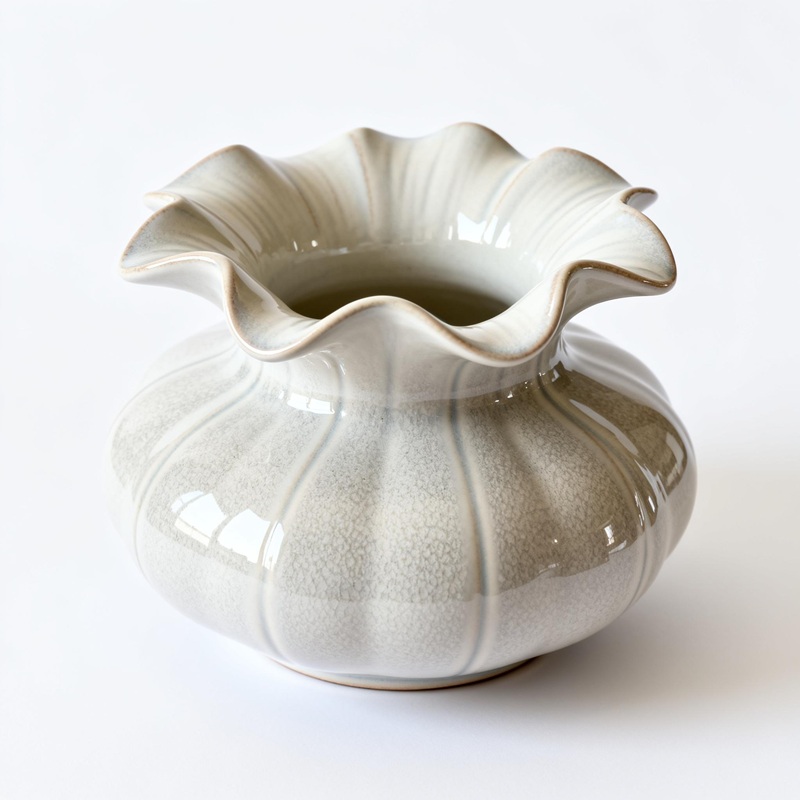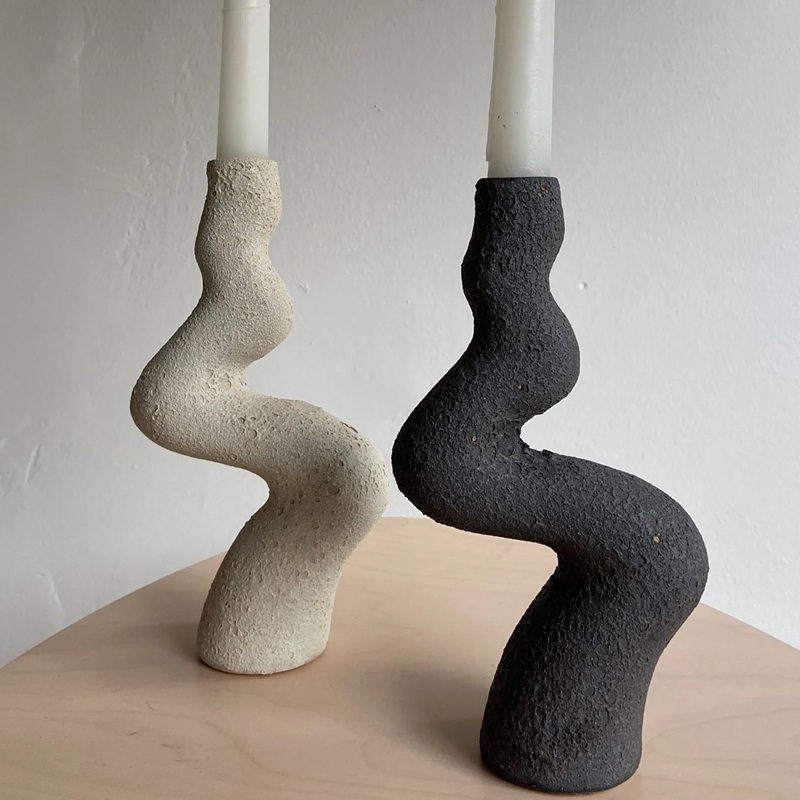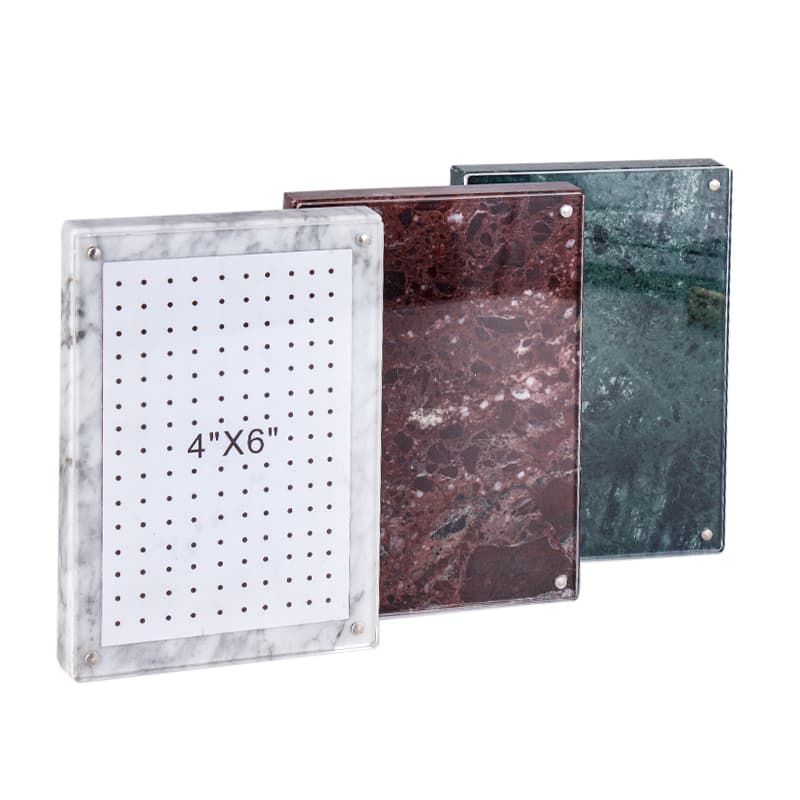
After completing wood preparation and resin preparation, the core steps of wood-resin bonding, curing, and finishing determine the final quality and aesthetics of the product. For B2B homeware buyers, understanding these steps helps you better evaluate product craftsmanship and put forward targeted customization requirements. This blog details the two main bonding methods, curing precautions, and finishing processes.
3.1 Bonding & Molding: Two Core Methods for Different Designs
We provide different bonding and molding methods according to the product design and where you use, ensuring a seamless combination of wood and resin:
Method 1: Resin Coating (For Surface Decoration)
Suitable for products that need to emphasize wood grain, such as wood-resin coasters and table tops. The prepared resin is poured or brushed onto the sanded wood surface, going through the wood’s porous structure to form a mechanical bond. We control the resin layer thickness (usually 1-3mm) to balance protection and aesthetics—thick enough to prevent water damage, thin enough to show the wood grain.
Method 2: Inlay & Casting (For Integrated Designs)
Suitable for products with complex designs, such as decorative boxes, toothbrush cups, and soap trays. We first carve a recessed area on the wood, then pour resin into the recess; for more creative designs, wood pieces are placed in a mold first, and resin is poured around them to create a seamless blend. The mold is sealed to prevent resin leakage and placed on a top surface to ensure resin distribution balanced.
3.2 Curing: The Key to Strengthening the Bond
Curing is the chemical reaction that transforms liquid resin into a solid, bonding it permanently to wood. We strictly control the curing environment to ensure consistent quality:
• Temperature Control: Curing is processing at 20-25°C (room temperature) for 24-48 hours. Higher temperatures speed up curing but may cause cracking; lower temperatures delay curing and reduce bond strength.
• Ventilation Requirements: A well-ventilated space is used to ensure proper curing and avoid odor occurred, also ensuring the safety of production workers.
• Post-Curing (Optional): For high-durability products (e.g., outdoor decor, bathroom accessories), we bake the finished piece at 60-80°C for 2-4 hours to enhance resin hardness and adhesion, making the product more resistant to scratches and water damage.
3.3 Finishing: Creating a Premium Look
After curing, the product undergoes a strict finishing process to achieve a smooth, glossy finish that meets B2B premium homeware standards:
• Trimming: Excess resin is trimmed with a sharp tool to match the wood’s shape, ensuring the product size is accurate.
• Sanding & Polishing: The surface is sanded from 400 to 1000 grit, then polished with wax or a polishing compound—emphasizing the clear of the resin and the texture of the wood grain.
• Quality Control: Each piece is inspected for adhesion (no peeling), bubbles, or cracks—only products that meet our strict standards are shipped to B2B clients.
In Part 4, we’ll share our factory’s craftsmanship advantages and answer common questions about wood-resin homeware for B2B buyers.
#WoodResinCraftsmanship #HomewareFinishing #B2BHomewareSupplier #WoodResinBonding



 IPv6 network supported
| Blog
| Sitemap
| XML
| Privacy Policy
IPv6 network supported
| Blog
| Sitemap
| XML
| Privacy Policy
Our hours
Mon - Fri: 9 AM - 6 PM
Sat - Sun: closed
(all hours are Eastern Time)
 English
 español
 français
 Deutsch
 العربية